Tooth Removal
Gentle tooth removal in Cullompton when a tooth cannot be saved, with clear aftercare and replacement options. Welcoming patients near Exeter and Tiverton.

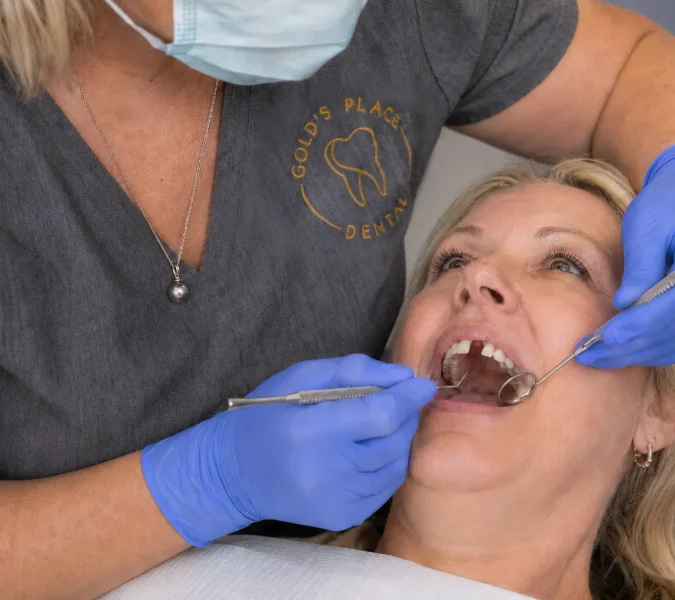
Gentle care when a tooth needs to be removed
Our priority is always to preserve your natural teeth wherever possible. However, tooth removal may be the most appropriate option when a tooth is severely decayed, damaged, infected, loose or causing ongoing discomfort.
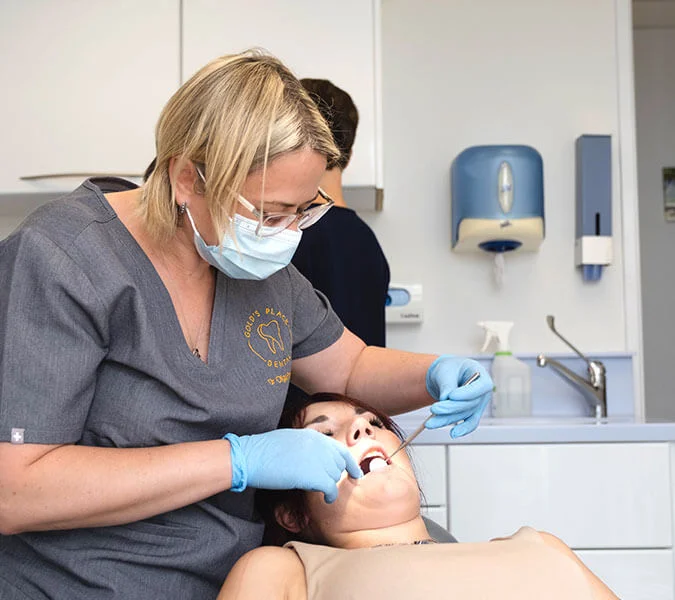
At Gold’s Place Dental, we take a calm and considerate approach, explaining every stage and keeping you as comfortable as possible. Our Cullompton dental practice welcomes patients from across Mid Devon, including those living near Exeter and Tiverton.
We carefully examine the tooth, take X-rays where required and discuss whether removal is the most appropriate treatment.
The area is thoroughly numbed before the tooth is gently removed, with your comfort monitored throughout the procedure.
We provide clear instructions to support healing, manage discomfort and protect the area following your treatment.
Alternative Treatment Options
Could the tooth be saved?
Tooth removal is generally recommended only when preserving the tooth is no longer practical or would not provide a reliable outcome. Depending on its condition, alternatives may include a filling, dental crown or root canal treatment to repair the tooth and help retain it.
If removal is necessary, we can also discuss ways to replace the missing tooth once the area has healed. Suitable options may include a dental implant, bridge or denture, depending on your oral health, preferences and budget. Our team will clearly explain the benefits and considerations of each option so that you can make a fully informed decision.
Questions about Tooth Removal
Here are some of the common questions we’re asked about Tooth Removal. All of our treatments are tailored to suit your individual needs. Because of this we often recommend a consultation with a member of our dental team if you’re considering any treatments, so we can assess and advise the best options available to you. If you have any additional questions, please feel free to contact us.
Extractions vary from simple to complex or surgical extractions, which may cost more. Speak with our team for an accurate assessment or view the full dental price guide here to see the cost of dental treatments.
Tooth removal may be necessary for several reasons, including:
- Severe Decay or Damage: When a tooth is extensively decayed or damaged beyond repair, extraction may be the only viable option.
- Gum Disease: Advanced periodontal disease can lead to significant tooth mobility and loss of bone support, necessitating extraction.
- Impacted Teeth: Teeth that are unable to erupt properly, such as wisdom teeth, may need to be removed to prevent pain, infection, or damage to adjacent teeth.
- Crowding: In some cases, removing one or more teeth can create space to properly align remaining teeth, particularly in orthodontic treatment.
The tooth extraction procedure typically involves the following steps:
- Anaesthesia: Your dentist will administer local anaesthesia to numb the area around the tooth, ensuring you feel no pain during the procedure. For more complex extractions, sedation may be used.
- Extraction: For a simple extraction, the dentist will loosen the tooth using specialised instruments and then remove it. For a surgical extraction (e.g., impacted teeth), an incision may be made in the gum tissue to access and remove the tooth.
- Aftercare: After the extraction, the dentist will provide you with care instructions, which may include biting on a gauze pad to control bleeding, taking prescribed medicines, and avoiding certain foods and activities.